
Canada Is Asking About Men's Health. Here's Why I'm Paying Attention.
“Men in Canada live four fewer years than women. They account for 70% of opioid-related deaths. Among young men aged 15 to 24, the share who rate their mental health as “very good” or “excellent” dropped from 70% to 52% in just ten years. And 65% of Canadian men wait more than six days with symptoms before seeing a doctor.”
I've spent most of my life trying to figure out what kind of man I was supposed to be.
Not in some grand, philosophical way. In the quiet, grinding way — the one that starts when you're a kid and you realize you're different, and you begin calculating, constantly, what it will cost you if anyone else notices. The anxiety of it. The watching. The performing.
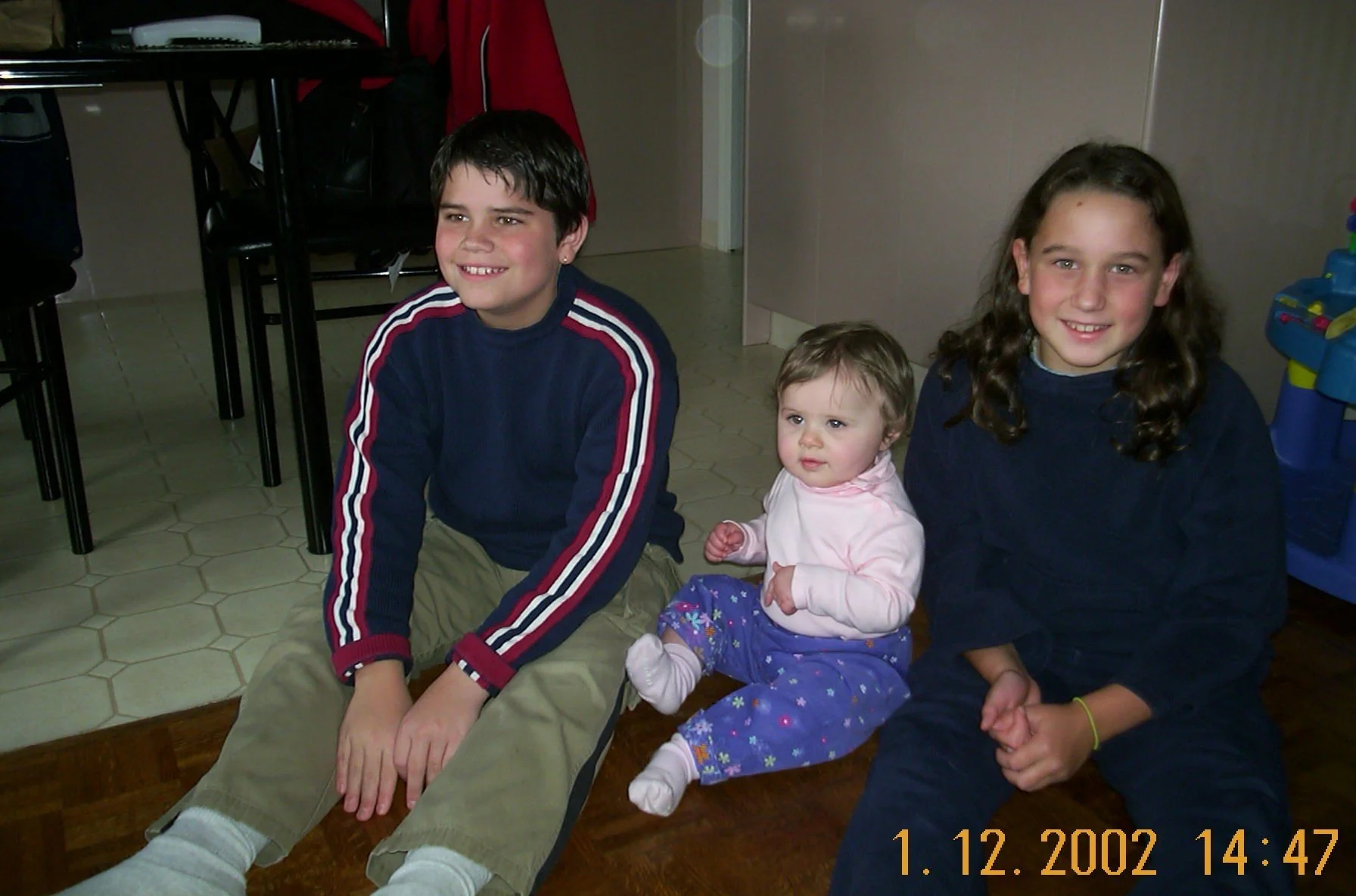
12-year old Aaron with my little cousin and sister.
Here's the thing that took me a long time to understand: I grew up in a home where I had every reason not to feel that way. My parents were open, affirming, and told me regularly that there was nothing I could do that would make them stop loving me. I believed them. I still do.
But it wasn't enough to stop the pressure from getting in.
Because the pressure didn't come from my family. It came from everywhere else — the schoolyard, the locker room, the culture, the thousand small signals about what a real man was supposed to look like and want and be. And when you're a gay kid absorbing all of that, the gap between who you are and who you think you're supposed to be starts to feel enormous. Even when the people closest to you are telling you you're fine exactly as you are.
I struggled with body image. I struggled with finding real, intimate connection with other men — not because the desire wasn't there, but because the rules I'd absorbed about masculinity didn't leave much room for softness or vulnerability or honesty between men. I spent years managing the fear of being seen as less-than, of not measuring up, of being excluded for the parts of myself I couldn't change.
I'm not writing this from the other side of some tidy resolution. I'm just now starting to manage the anxiety that's been with me for as long as I can remember. But I'm writing it because something the federal government is doing surprised me — and I think it deserves attention.
The numbers behind the questions
When I read through the strategy page, the data confirmed what I think a lot of us already sense:
Men in Canada live four fewer years than women. They account for 70% of opioid-related deaths. Among young men aged 15 to 24, the share who rate their mental health as "very good" or "excellent" dropped from 70% to 52% in just ten years. And 65% of Canadian men wait more than six days with symptoms before seeing a doctor.
These aren't just health statistics. They're the shape of a culture that teaches men and boys — from very early on — that asking for help is weakness. That toughing it out is strength. That the right response to pain is silence.
It's not the same for everyone
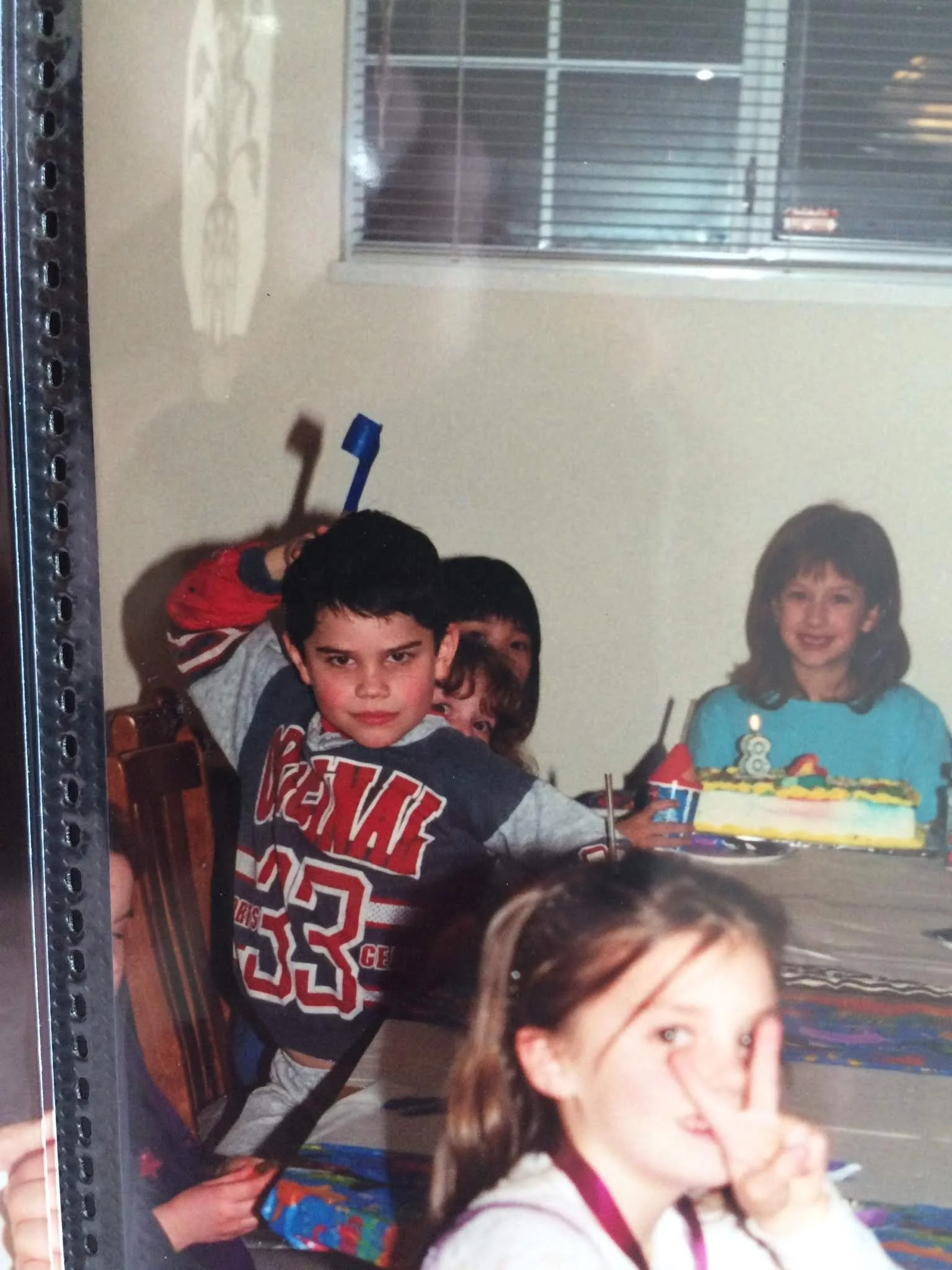
5-year old Aaron at a friend’s birthday party
The strategy acknowledges something important: these pressures don't land equally. Indigenous men, racialized men, veterans, men in the justice system, and 2SLGBTQIA+ men all face compounding barriers — systemic racism, discrimination, colonialism, economic inequality — that make an already difficult landscape harder to navigate.
I can speak to a small piece of that. Growing up gay, the standard-issue expectations of masculinity came with an extra weight. The message wasn't just "be tough" — it was "be tough, and whatever you are, don't be that." The isolation that creates isn't something you just grow out of. It's something you have to learn to name, and then slowly, carefully, unlearn.
Why a strategy matters
I'm not someone who thinks government policy fixes everything. It’s going to take real work from people on the ground. Other men need to say "we see this problem, and we want to understand it better." The consultation questions are worth reading even if you don't fill out the questionnaire:
How do we help men feel comfortable asking for help?
What role do mentors and role models play?
Where are the biggest transition points in life where support is needed most?
How do we challenge harmful stereotypes without dismissing the real experiences of men and boys?
These are good questions. And they deserve answers from people who've actually lived them — not just from policy experts.
What you can do
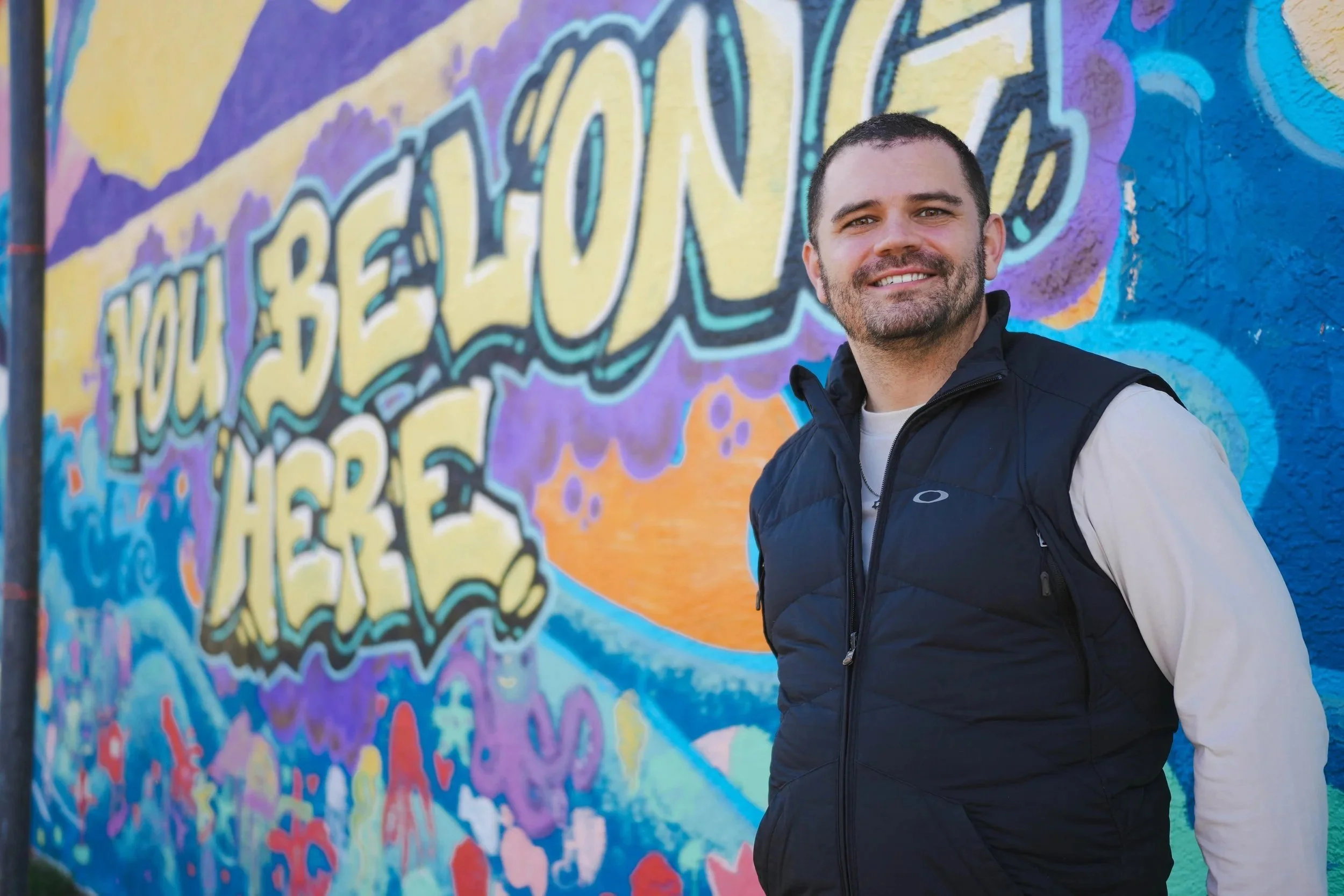
Aaron today
The public questionnaire is open until June 1, 2026. It takes a few minutes. Organizations can also submit written briefs (1,000 words max) by email.
One more thing: the strategy is clear that focusing on men's health doesn't replace the work underway on women's health. It complements it. We don't have to choose. We shouldn't.
If there's a man or boy in your life who might benefit from knowing someone's paying attention to this — send this their way. And if you're someone who's been carrying the weight of what you think you're supposed to be, know that you're not the only one still figuring it out.
We got you.
A note: if you or someone you know is struggling with mental health, isolation, or thoughts of self-harm, support is available.
BC Mental Health Support Line: 310-6789 (no area code needed).
Crisis Centre BC: 1-800-784-2433.