

Remember their names.
A reflection on the anniversary of the October 7th massacre and our obligation to vote.
The Jewish New Year and the person you mean to be
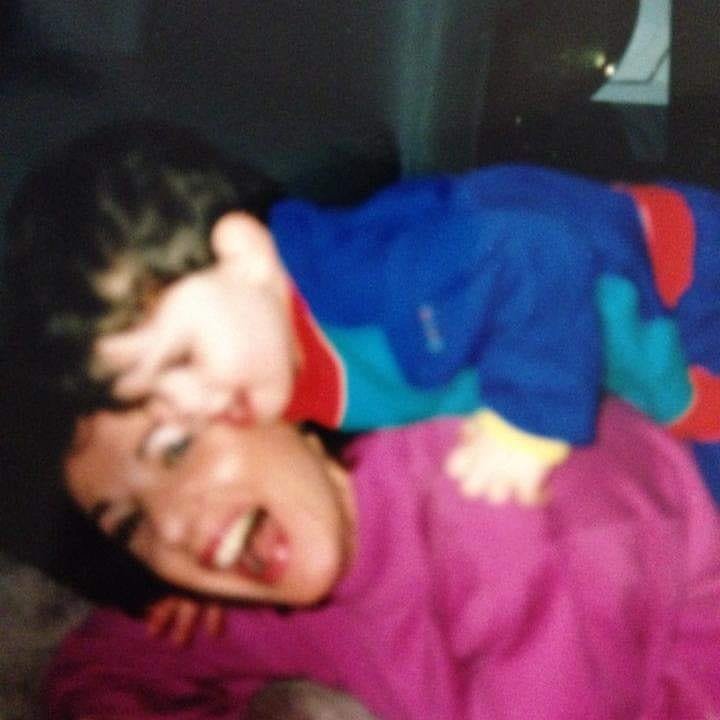
The Jewish new year doesn't ask what I plan to do. It asks who I plan to be. I've been thinking about my Bubbie, Rhoda, who kept track of everyone in our family and community, who needed healing, whose kid was having a hard time, who needed a fresh start. The Hebrew word for repentance means return, which makes this a different exercise than a January resolution. And Yom Kippur can't fix anything I've done to another person until I've gone to them myself. Mine for the year ahead: generous about people's motives, rigorous about their ideas.
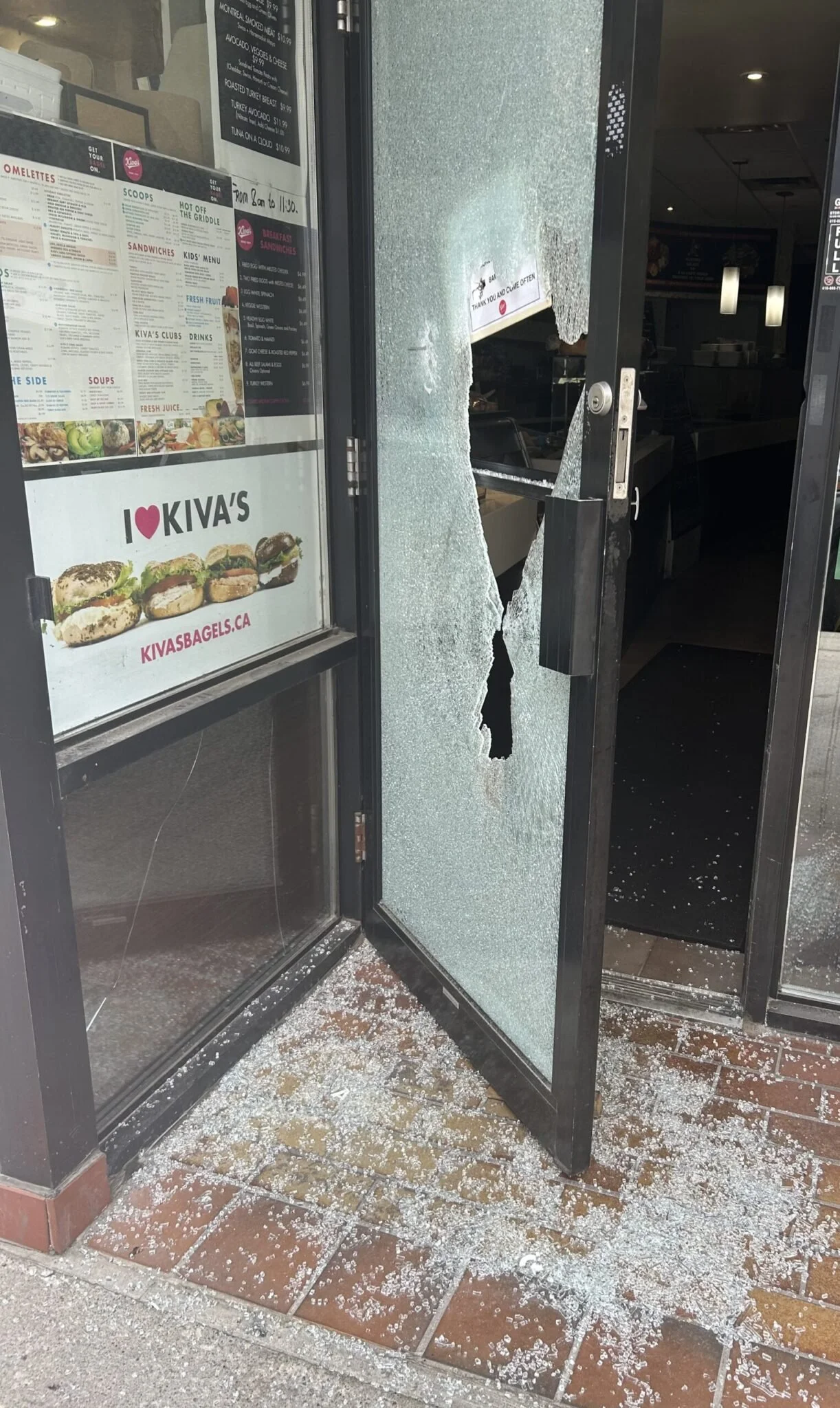
Your community plans for parking. Mine plans for a car attack.
Ottawa passed a hate crime law two weeks ago. Here's its first real test.
Who can afford to sit on council?
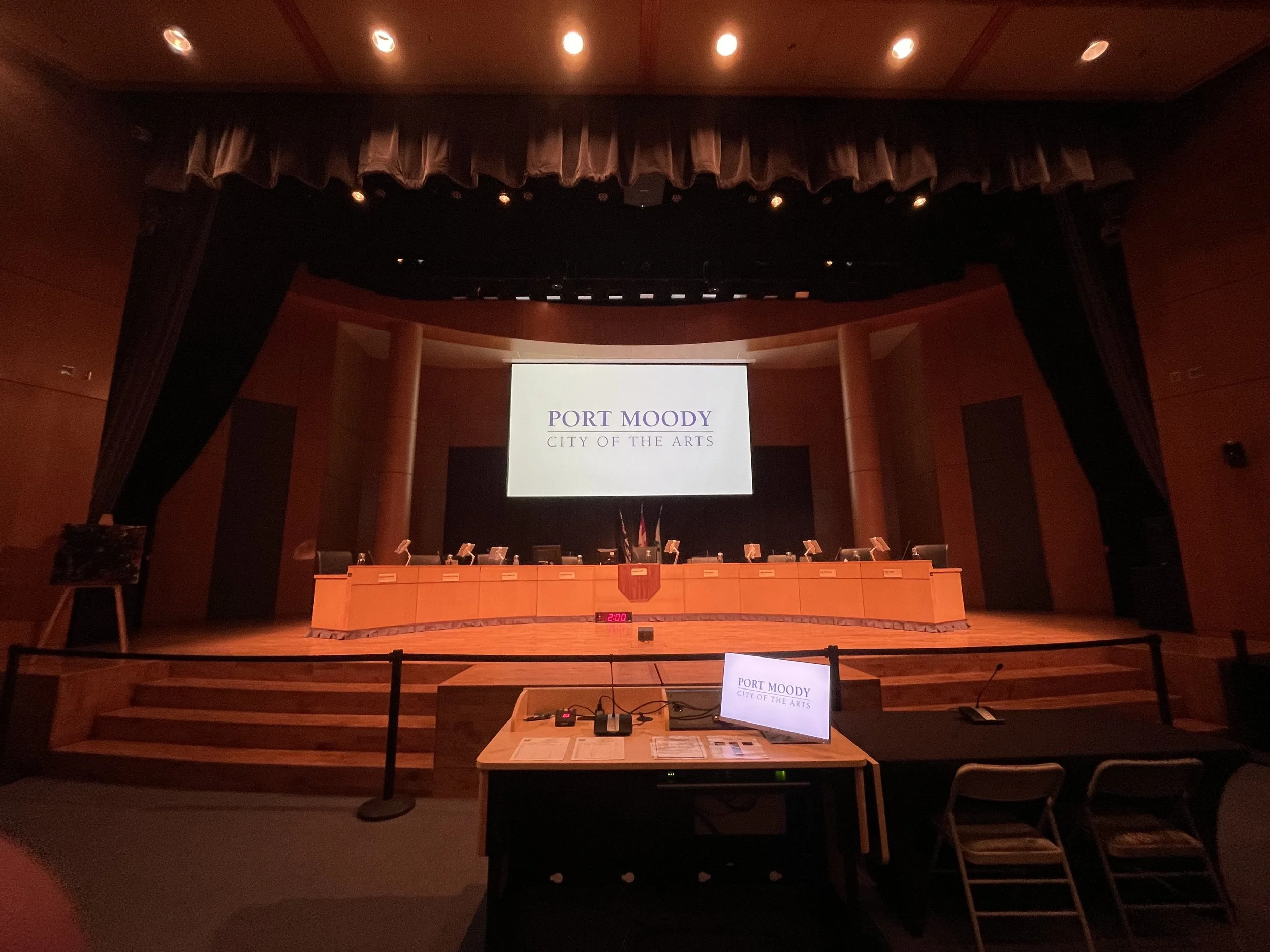
Watch enough BC council meetings and you notice who sits at the table: retirees, people with established careers, the occasional person with a flexible employer. Rarely someone in their thirties with young kids and a mortgage. That's not an accident. It's the structure.
I know how that structure works, because I spent the past year preparing to run this October. Over the past few weeks, I sat down with my husband and did the math. We wanted it to work. It didn't.
A Port Moody councillor earns part-time pay for close-to-full-time hours, with no pension and no guarantee the job lasts past the next election. That quietly filters out anyone who isn't already financially secure. Two changes would widen the door without anyone voting themselves a raise.
Pride is supposed to be for all of us. Two statements from the Tri-Cities Pride Society say otherwise.
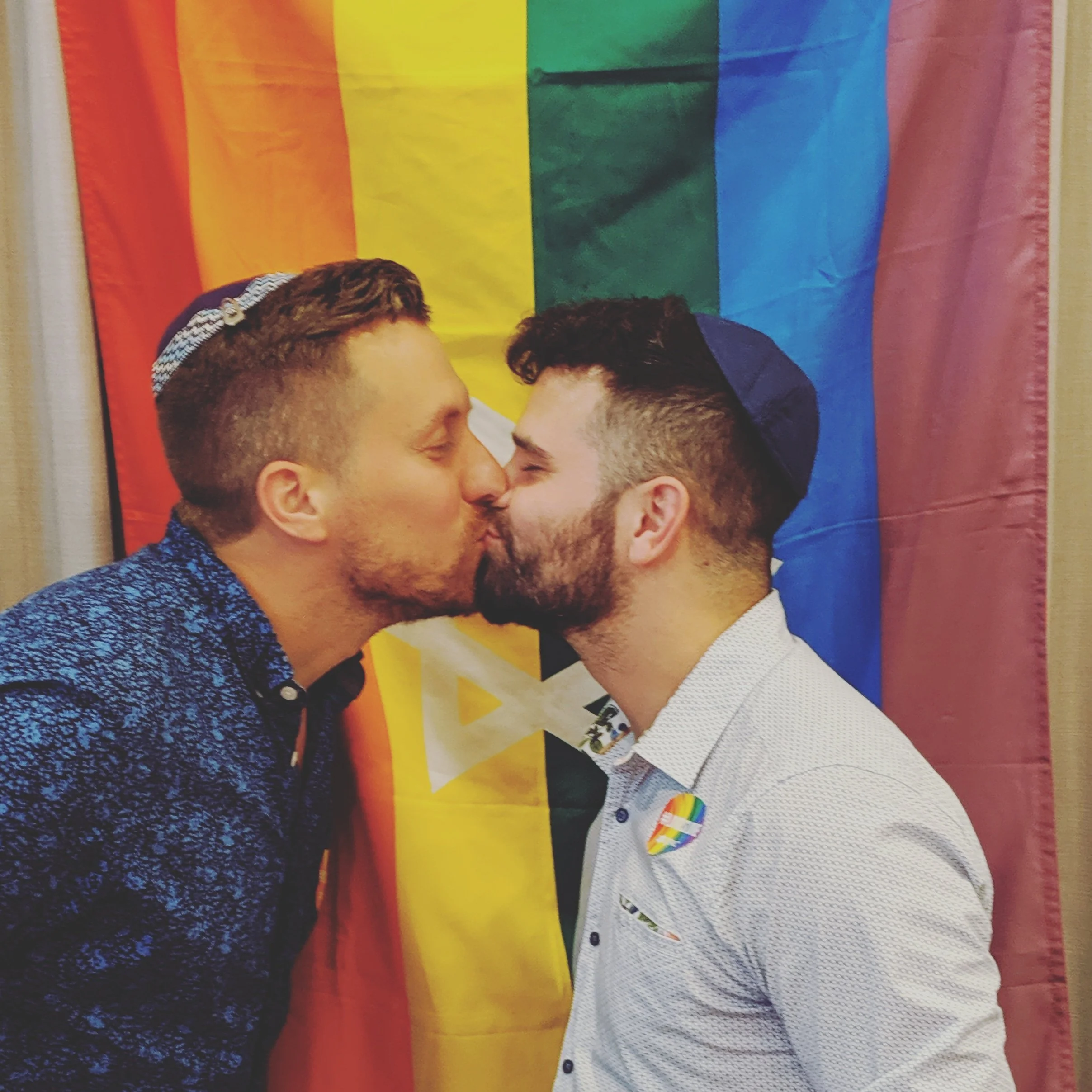
Last week the Tri-Cities Pride Society reposted its Solidarity Statement, which commits the Society to BDS-aligned screening of sponsors and partners. When Jewish community members objected, the board issued a second statement: Jewish friends will always be welcome, and the Society firmly rejects antisemitism.
Read the second statement closely, though, and it changes nothing. It reaffirms the first. The exclusion policy stays.
Here's the number that matters: 94 per cent of Canadian Jews support Israel's existence as a Jewish state, according to a survey sponsored by three progressive Jewish organizations. An exclusion policy built around rejecting that position doesn't filter out a fringe of my community. It filters out nearly all of it.
I'm gay and Jewish, and Pride out here matters to me. This post is about what the policy actually excludes, why good intentions don't cancel the harm, and three things the board could do to make its welcome true.
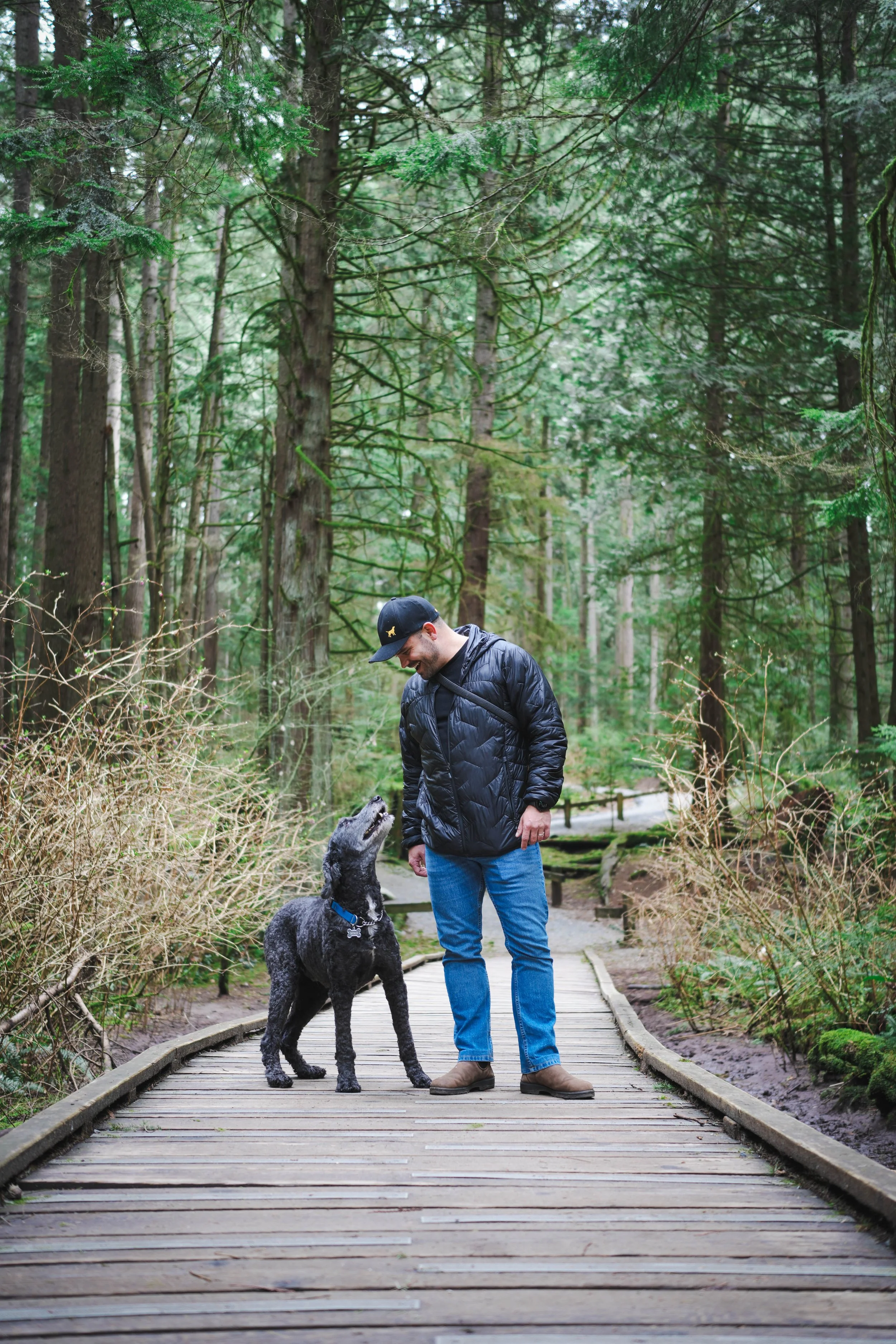
Bert Flinn Park Needs a Parking Plan
Kyle, Solo, and I are in Bert Flinn Park almost every day. We love it. But the parking situation at the trailhead is an accident waiting to happen. Cars line the gravel shoulder on Heritage Mountain Boulevard, spill into the bike lane, and people unload dogs, kids, and bikes into moving traffic. Port Moody's largest park — 126 hectares, 43 trails, the city's most popular off-leash area — has no dedicated parking. The school lot across the roundabout is controlled by SD43, not the City, and pick-up and drop-off times collide with peak park hours. We need a plan before someone gets hurt.
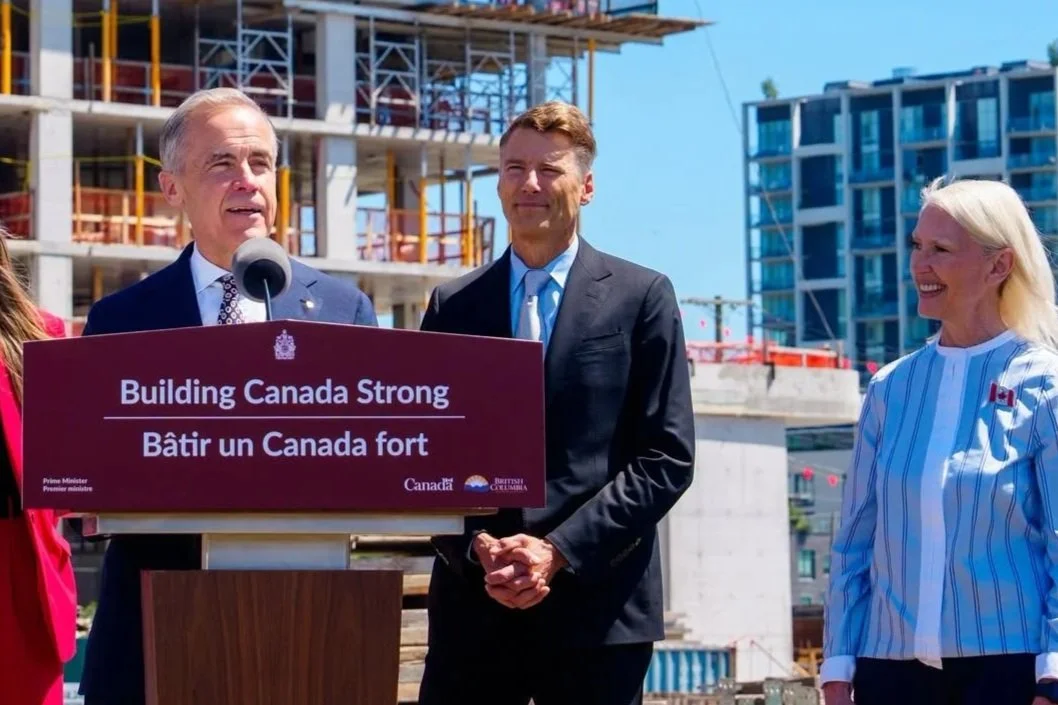
There's $5 billion on the table. Port Moody should make sure we get our share.
There's $5 billion on the table for the roads, pipes, and community buildings a growing city needs. It flows to whoever applies first with shovel-ready projects, and every growing city in BC is reaching for the same pot. Port Moody has a strong case, if we make it.
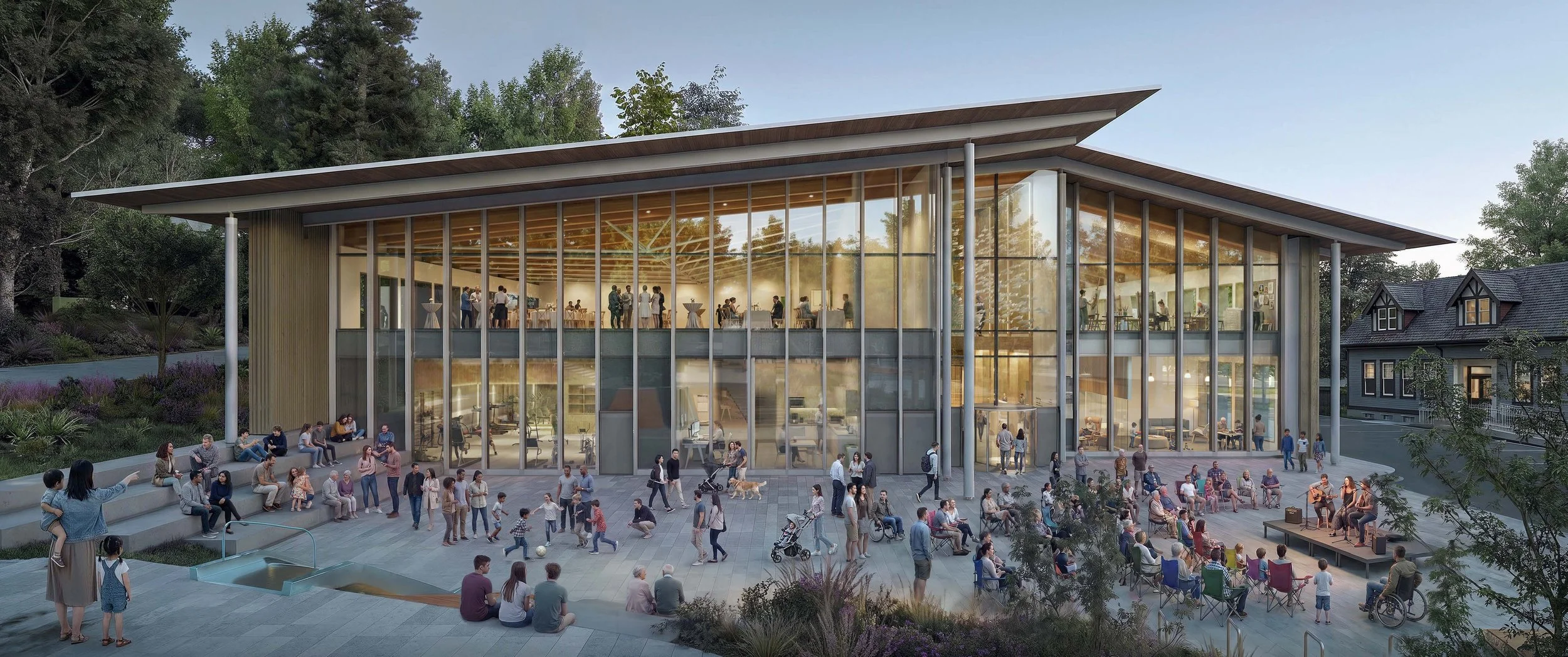
Build Kyle Centre Once and Build It Right.
Port Moody is planning a new 39,000-square-foot community centre to replace the aging Kyle Centre in Moody Centre. That sounds like a lot — until you put it next to the other number. The Moody Centre TOD is approved or in the pipeline for nearly 2,000 new housing units, with the full master plan envisioning up to 4,000 homes. That's thousands of new residents who will need places to gather, exercise, and connect. The question isn't whether a new Kyle Centre is welcome — it is. The question is whether we're building for 2026 or for 2040.

Where Your Property Taxes Go — And Why the Source Matters More Than You Think
Every year around this time, the conversation starts: property taxes are going up again. In 2026, the average Port Moody household will see an increase of about 4.25 percent. People are frustrated, and I get it. But the rate of the increase is only half the story. The other half — the part that doesn't get nearly enough attention — is where the revenue comes from. Port Moody is a largely residential city, and the new development arriving is overwhelmingly residential too. That has real consequences for every homeowner. Here's how the system actually works.
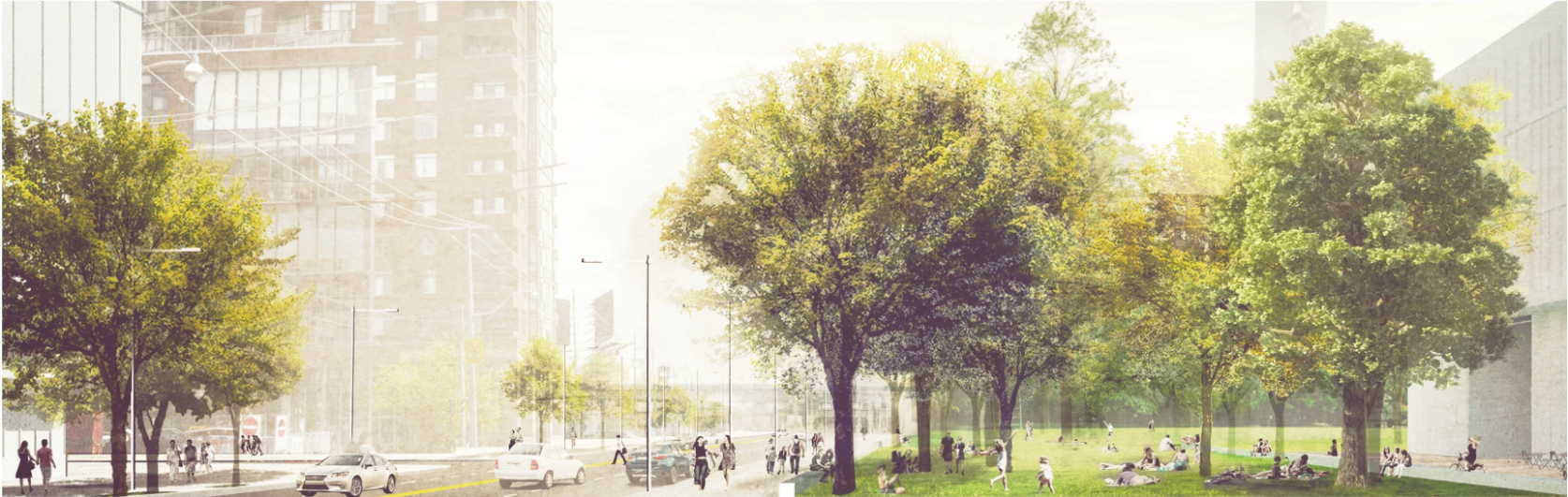
St. Johns Street Has a Once-in-a-Lifetime Chance to Become a Great Street
Thousands of people are about to move to Moody Centre. All of them will need somewhere to walk, grab a coffee, bump into a neighbour. They'll need a main street — and they already have one. It's called St. Johns Street. Urban designer Allan Jacobs spent his career studying what makes a street great: wide sidewalks, street trees, active storefronts, places to stop and sit. St. Johns has the bones. But with the Moody Centre development, the Kyle Centre rebuild, and new density all converging at once, the window to get this right is now. We only get one shot.
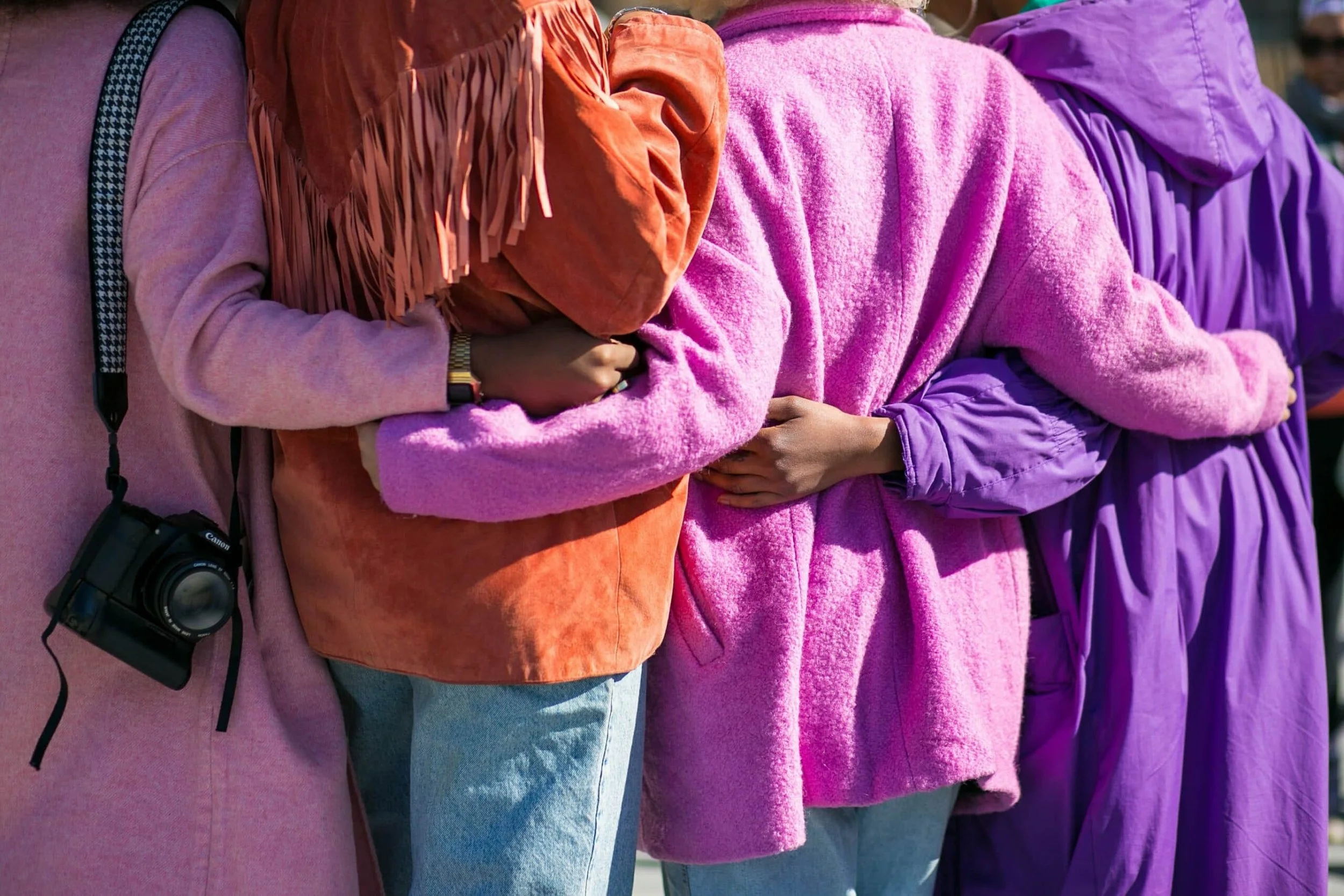
UPDATED: Keep Port Moody’s women’s transition housing project alive.
BC Housing has confirmed that the 40-unit Women's Transition Housing project in Port Moody won't proceed. ACT 2 Child and Family Services was the named operator. Beedie was the developer. The City did its part. Then Budget 2026 cut the funding. Port Moody has no transition housing. Women and children fleeing violence have nowhere local to go. I've written an open letter to MLA Rick Glumac asking him to push for a real timeline, raise this with the Minister of Housing, and report back. If you live in Port Moody or the Tri-Cities, sign with me.
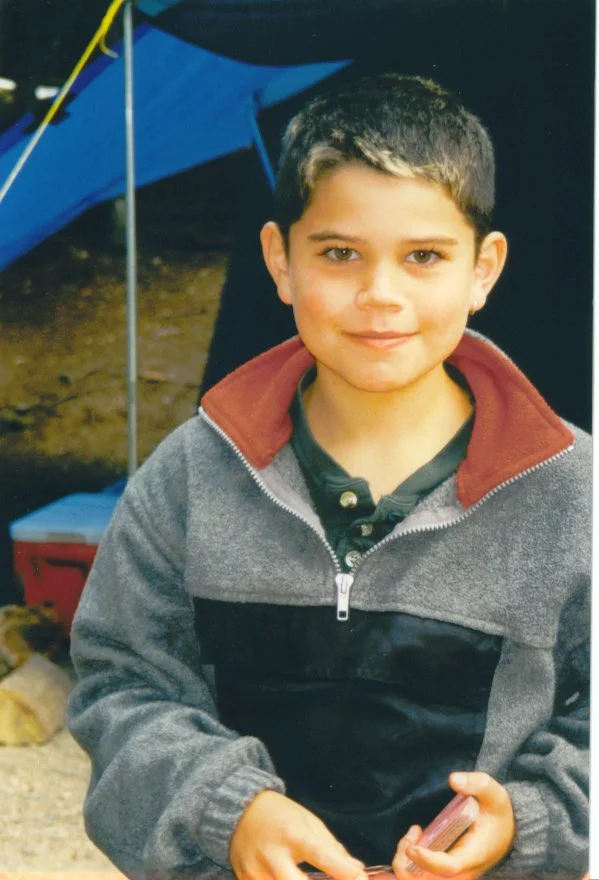
Canada Is Asking About Men's Health. Here's Why I'm Paying Attention.
Canada is developing its first-ever Men and Boys' Health Strategy — and the public consultation closes June 1. The data behind it is striking: men live four fewer years than women, account for 70% of opioid-related deaths, and young men's self-rated mental health has dropped sharply over the last decade. But the numbers only tell part of the story. In this post, I share why this strategy matters to me personally — as someone who grew up gay, navigating expectations of masculinity that even the most loving family couldn't fully shield me from — and how you can make your voice heard.
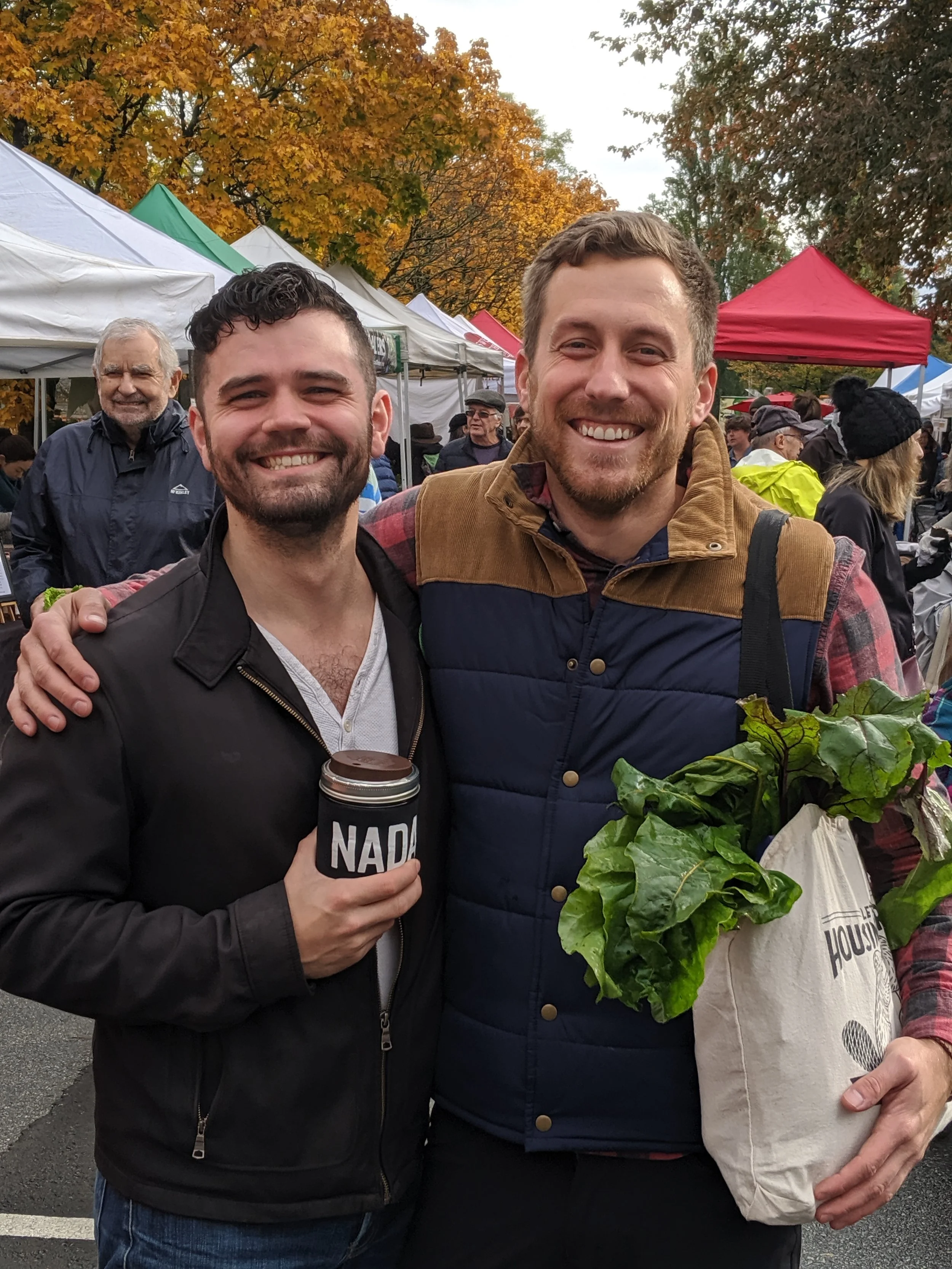
Sunday Morning at the Farmers Market
There's a version of Sunday morning that goes like this: wake up, wander down to the farmers market, grab a coffee, fill a bag with whatever looks good, and walk home. No errand list, no fluorescent lights, no self-checkout machine. Just a table, a person who grew the thing, and a conversation about how to cook it. I grew up going to the Farmers Market every Sunday morning, and it's become one of those routines I'd genuinely miss if it disappeared. Not because of the produce — but because of what happens around it.
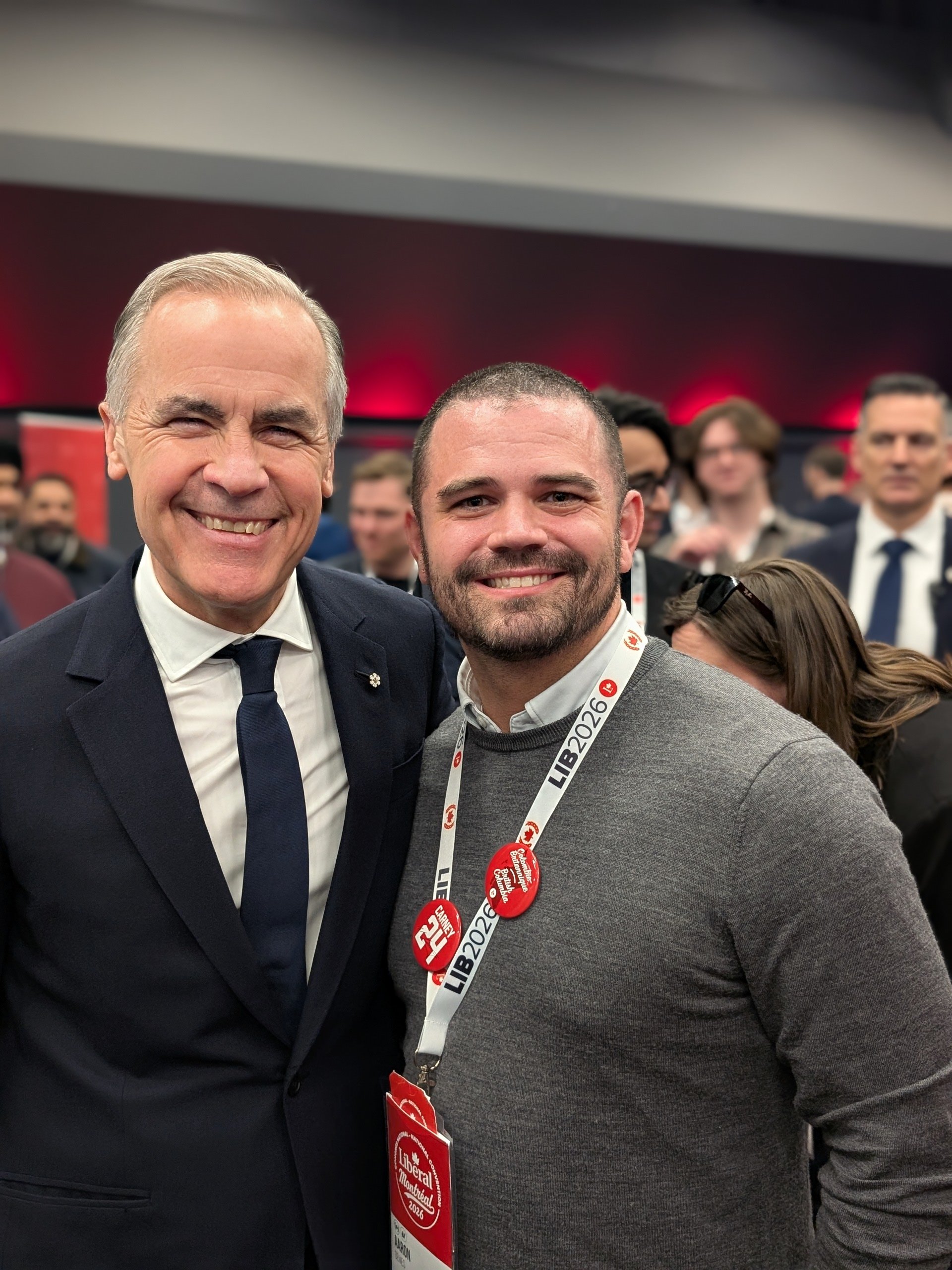
Sport, Screens, and the Kids We're Losing: My Takeaways from #LPC2026
What kind of community are we building, and who are we building it for? That question followed me through three days at the Liberal national convention in Montréal — from a sports panel that reframed athletic investment as public health infrastructure, to a grassroots vote on restricting social media for kids under 16, to honest conversations with MPs Zoe Royer and Jake Sawatzky about reaching young men and boys who are increasingly disconnected from civic life. Three threads. All connected. All relevant to Port Moody.
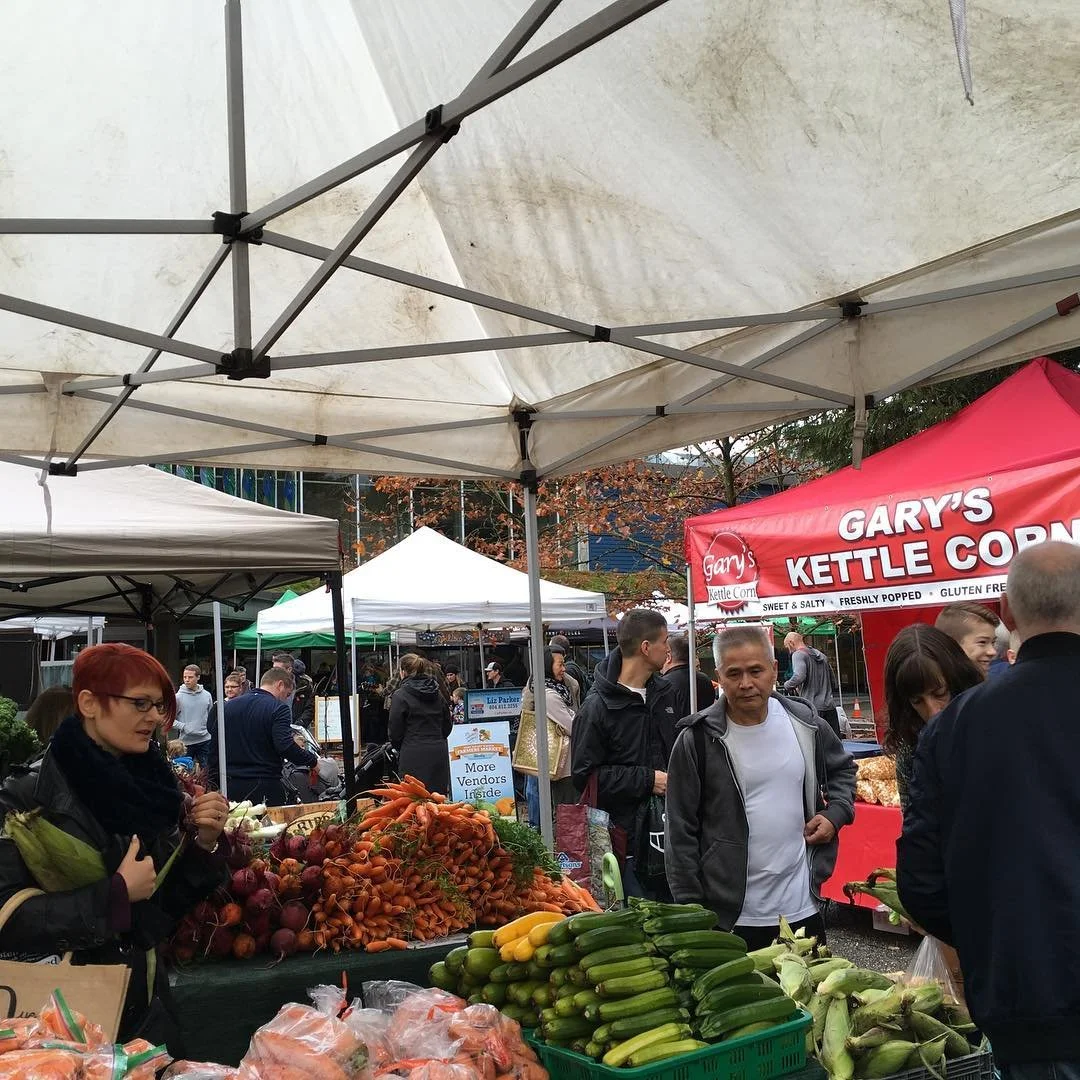
The Port Moody Farmers' Market Needs a New Home — And Council Is Deciding This Tuesday
The Port Moody Farmers' Market has been asked to move from its current Civic Complex parking lot location, and this Tuesday, Council is voting on a plan to ready the Old Fire Hall site as the market's new home. It's a smart, modest investment that activates underused civic land, relieves pressure on the parking lot, and gives Council the time to find a permanent home for the market in future developments. Here's what's at stake — and how you can show your support before Tuesday's vote.
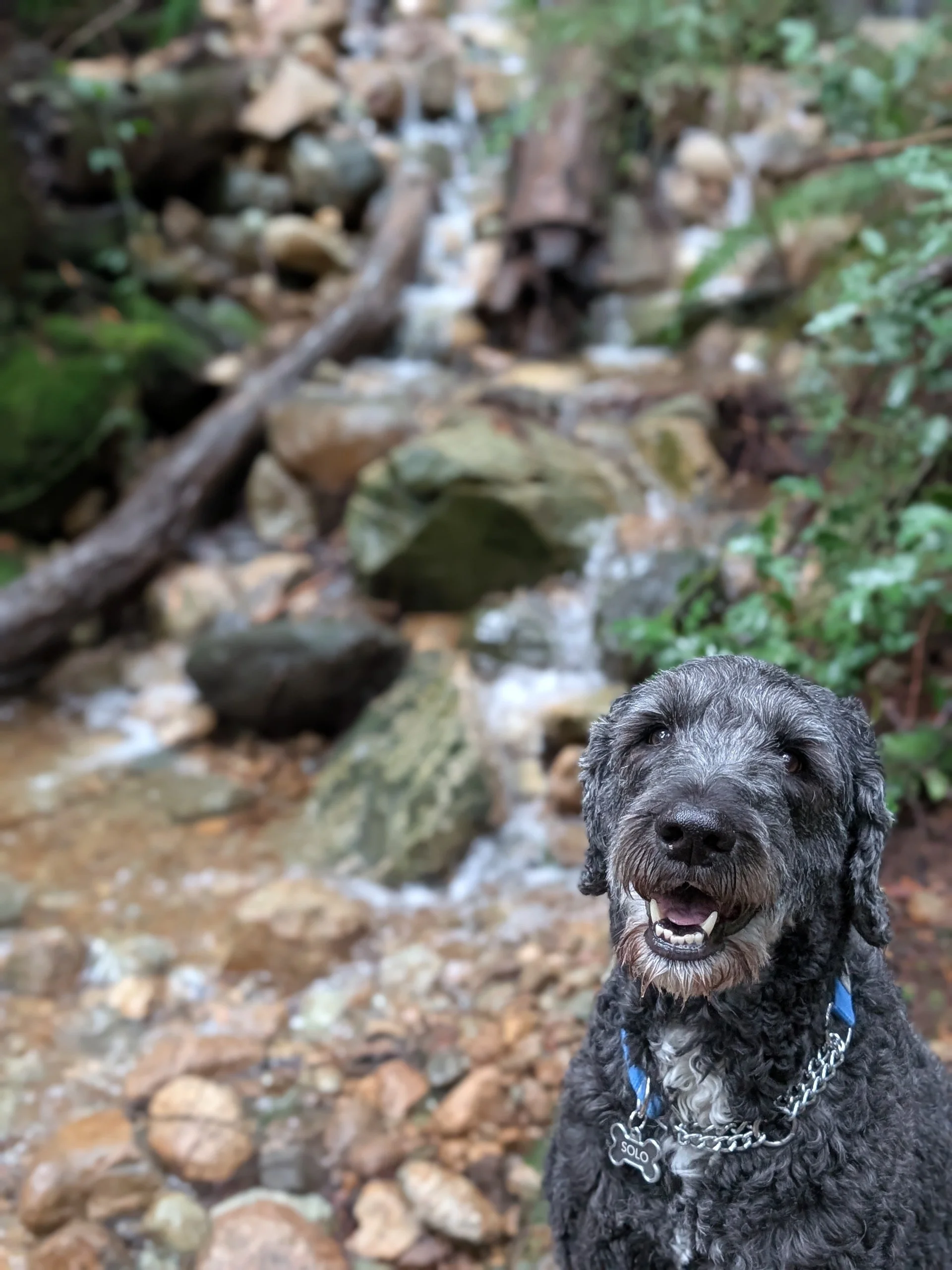
Who Let the Dogs Out? (Seriously, Port Moody Wants to Know)
Port Moody is developing a People, Dogs, and Public Spaces Strategy, and right now they're in the community engagement phase — gathering input through a survey and information pop-ups.
It might sound like a niche issue, but it's actually a pretty good case study in how growing cities manage competing uses of shared public space. Dog ownership is rising. Trails and parks are getting busier. Existing off-leash areas are limited. And the tensions between different user groups — dog owners, families, cyclists, people with accessibility needs, environmental advocates — aren't going to resolve themselves without a framework.